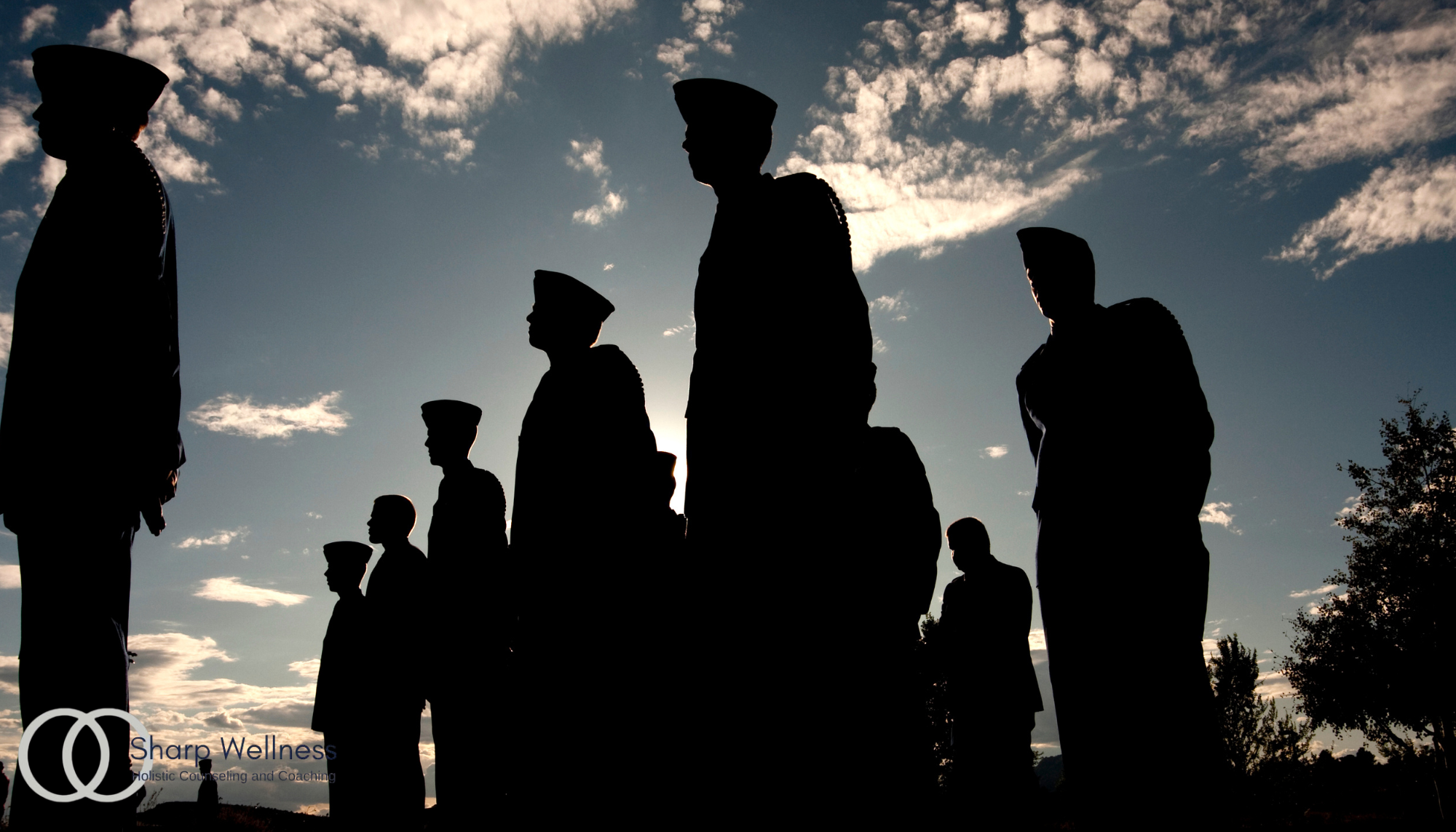
When people think about mental health challenges among veterans, they often picture someone experiencing a crisis, struggling with severe post-traumatic stress disorder (PTSD), or having difficulty adjusting after military service. While these experiences deserve attention, they represent only part of the mental health challenges veterans and military families may face.
For some veterans, the challenges are much quieter. They may have difficulty relaxing in crowded spaces, feel disconnected from loved ones, struggle with sleep, or carry memories that continue to affect everyday life. Others may appear successful in their careers, maintain strong relationships, and manage daily responsibilities while privately dealing with anxiety, emotional exhaustion, or the effects of past trauma.
At Sharp Wellness & Counseling in Birmingham, Alabama, we believe mental health support should not begin only when life becomes unmanageable. Whether you are navigating PTSD symptoms, military-related trauma, relationship challenges, or the transition into civilian life, therapy can provide an opportunity to better understand your experiences and develop healthier ways to move forward.
PTSD Does Not Always Look the Way People Expect
Post-traumatic stress disorder is a mental health condition that can develop after experiencing or witnessing a traumatic event. Although PTSD is commonly associated with combat experiences, it can also develop following serious accidents, traumatic injuries, sexual assault, exposure to violence, or other life-threatening situations.
Not every veteran experiences PTSD, and not everyone who experiences trauma develops the condition. However, for those who do, symptoms can affect much more than memories of the past.
PTSD symptoms may include:
Intrusive memories or flashbacks: Unwanted memories, nightmares, or emotional reactions connected to traumatic experiences.
Hypervigilance: Feeling constantly alert, scanning surroundings for danger, or struggling to relax even in safe environments.
Avoidance: Staying away from certain places, conversations, activities, or situations that bring up difficult memories.
Changes in mood and thinking: Experiencing guilt, shame, emotional numbness, irritability, or negative beliefs about yourself or others.
Sleep difficulties: Having trouble falling asleep, staying asleep, or feeling rested.
Difficulty connecting with others: Feeling emotionally distant, misunderstood, or disconnected from family and friends.
Some individuals experience symptoms shortly after a traumatic event, while others recognize them months or years later. PTSD can also affect people differently, which is why professional evaluation and individualized mental health treatment are important.
For veterans in Birmingham, Alabama, understanding how trauma may be affecting everyday life can be an important step toward seeking meaningful support.
Why Military Trauma Can Continue Affecting Everyday Life
Military service can involve environments where remaining alert, anticipating danger, and responding quickly are essential. These skills can be protective during service, but adjusting to different expectations and environments afterward may take time.
For some veterans, the nervous system continues responding to ordinary situations as though danger may still be present. A crowded restaurant, unexpected noise, stressful interaction, or unfamiliar environment might trigger a strong emotional or physical reaction, even when there is no immediate threat.
Trauma can also affect how someone views themselves and the world around them. Experiences involving injury, loss, fear, or difficult decisions may contribute to feelings of guilt, mistrust, anger, or disconnection.
These responses are not limited to veterans with a PTSD diagnosis. Individuals may experience trauma-related distress without meeting the full criteria for PTSD, and those experiences can still significantly affect mental health and quality of life.
Through trauma therapy in Birmingham, Alabama, individuals can begin understanding the connection between past experiences and present emotional responses. Therapy may help identify triggers, build emotional regulation skills, strengthen coping strategies, and create a supportive space for processing difficult experiences at a manageable pace.
Understanding EMDR Therapy for PTSD and Trauma
One evidence-based treatment option for post-traumatic stress disorder is Eye Movement Desensitization and Reprocessing (EMDR) therapy. EMDR is a structured psychotherapy approach designed to help individuals process distressing memories and reduce the emotional intensity associated with traumatic experiences.
Unlike approaches that focus primarily on talking through experiences, EMDR incorporates bilateral stimulation, such as guided eye movements or alternating taps, while working with distressing memories and associated beliefs.
For some people, traumatic memories continue to trigger intense emotions, negative beliefs, or physical reactions long after the original experience. EMDR aims to help individuals process these memories so they become less disruptive to everyday life.
EMDR therapy may help individuals experiencing:
Post-traumatic stress disorder and trauma-related symptoms
Distressing memories that continue to affect daily functioning
Negative beliefs connected to traumatic experiences
Emotional distress triggered by reminders of the past
Anxiety and fear associated with specific traumatic experiences
EMDR does not erase memories or require someone to forget what happened. Instead, treatment focuses on helping individuals process difficult experiences in a way that reduces their ongoing emotional impact.
At Sharp Wellness, EMDR therapy is offered through our McKinney, Texas office. For veterans and families seeking trauma counseling in Birmingham, Alabama, our team can help you explore our available trauma therapy services and discuss appropriate treatment options based on your needs.
The Emotional Challenges of Transitioning From Military to Civilian Life
Leaving military service can be a significant life transition, even when the change is planned or welcomed. Military life often provides a strong sense of structure, identity, responsibility, and community. Adjusting to civilian routines, careers, and relationships can introduce unexpected emotional challenges.
Some veterans find themselves missing the camaraderie of military service, struggling to identify a new sense of purpose, or feeling disconnected from people who have not shared similar experiences. Others may have difficulty adjusting to changes in daily structure or navigating new family responsibilities.
These experiences do not necessarily indicate PTSD or another mental health condition. They may reflect the emotional challenges that naturally accompany major changes in identity, relationships, and routine.
Through life transitions therapy, individuals can explore the impact of these changes, identify personal values, build confidence, and develop healthier ways of adjusting to a new chapter.
Therapy can also provide an opportunity to process the parts of military life someone misses while building a meaningful sense of purpose in the present.
How PTSD and Trauma Can Affect Military Families and Relationships
Military experiences do not affect veterans alone. Spouses, partners, children, and other family members may also experience the emotional challenges associated with deployment, separation, relocation, reintegration, and changing family dynamics.
When a veteran is experiencing trauma-related symptoms, loved ones may notice changes in communication, emotional availability, sleep, or responses to stress. A partner may feel unsure how to offer support, while children may have difficulty understanding changes in family routines or a parent's behavior.
These challenges can sometimes lead to misunderstandings, frustration, or emotional distance. However, relationship difficulties do not mean that families are failing or that connection cannot improve.
Family therapy can help families strengthen communication, understand one another's emotional needs, and navigate difficult transitions together. Couples therapy may also provide support for partners experiencing relationship strain, communication challenges, or emotional disconnection.
For military families in Birmingham, creating opportunities for honest communication and mutual understanding can be an important part of supporting both individual and family mental health.
When Anxiety, Depression, and Grief Become Part of the Experience
PTSD and trauma are often discussed separately from other mental health concerns, but emotional experiences do not always fit into a single category. Veterans and military family members may also experience anxiety, depression, grief, and chronic stress, sometimes alongside trauma-related symptoms.
Anxiety might appear as constant worry, difficulty relaxing, or feeling overwhelmed by everyday responsibilities. Depression may involve persistent sadness, changes in motivation, emotional numbness, or losing interest in activities that once felt meaningful.
Grief can also be a significant part of military experiences. Some veterans carry the pain of losing fellow service members, while others grieve changes in physical health, relationships, identity, or the life they expected to have after service.
At Sharp Wellness, our anxiety therapy, depression counseling, and grief and loss therapy services provide opportunities to explore these concerns and develop practical strategies for managing emotional distress.
Understanding the connection between these experiences can help individuals receive support that considers their overall mental health rather than focusing on only one symptom.
You Do Not Have to Be in Crisis to Benefit From Therapy
One of the most persistent misconceptions about mental health treatment is that someone must reach a breaking point before seeking help. For veterans who are accustomed to being independent, managing difficult situations, or putting others' needs before their own, recognizing when support could be helpful may feel especially challenging.
Therapy is not reserved for individuals experiencing severe symptoms. It can also help people who are functioning well in everyday life but want to better understand their emotional responses, strengthen relationships, improve sleep, manage stress, or work through experiences they have never fully processed.
Seeking counseling does not diminish resilience, independence, or the strength developed through military service. It creates an opportunity to apply that same commitment to personal well-being.
For some individuals, therapy focuses on processing past traumatic experiences. For others, it may involve learning to communicate more effectively, navigating family responsibilities, rebuilding confidence, or finding a stronger sense of connection.
Mental health care can be valuable before a crisis develops, and you do not need to wait until symptoms become overwhelming to explore your options.
Finding Trauma Therapy and Mental Health Support in Birmingham, Alabama
Finding the right therapist is an important part of beginning treatment, especially when seeking support for PTSD or trauma-related concerns. You deserve to work with someone who understands your needs, respects your experiences, and can explain which therapeutic approaches may be appropriate for you.
At Sharp Wellness & Counseling in Birmingham, Alabama, our therapists provide individualized mental health services for people navigating trauma, anxiety, depression, grief and loss, family challenges, relationship concerns, and major life transitions.
Our counseling approach emphasizes collaboration, emotional safety, and understanding each client's unique experiences. Rather than assuming that everyone needs the same type of treatment, we work with individuals to identify their goals and develop a plan that reflects their needs and circumstances.
We offer in-person counseling at our Birmingham-area office in Vestavia Hills, as well as virtual therapy throughout Alabama. Whether you are a veteran experiencing ongoing emotional challenges or a military family member looking for support, our team can help you explore the services available and determine an appropriate next step.
Begin Healing Beyond a Crisis With Sharp Wellness in Birmingham, Alabama
Military service can shape a person's identity, relationships, and experiences in lasting ways, but it does not have to define their emotional well-being or determine what their future looks like. Whether you are struggling with PTSD symptoms, processing difficult memories, navigating military-to-civilian life transitions, or experiencing anxiety, depression, or relationship challenges, support is available.
At Sharp Wellness & Counseling, we believe that seeking therapy is about more than managing symptoms. It is about creating space to understand your experiences, strengthen your relationships, and develop healthier ways of moving forward.
Not sure where to begin? Sharp Wellness offers complimentary 15-minute consultations to help you connect with a therapist. This free consultation gives you an opportunity to ask questions, learn more about their approach, and determine whether they may be a good fit for your mental health needs. Contact Sharp Wellness today to learn more about available counseling options and schedule your complimentary consultation.