Why Your Coping Skills Stop Working During High-Stress Seasons
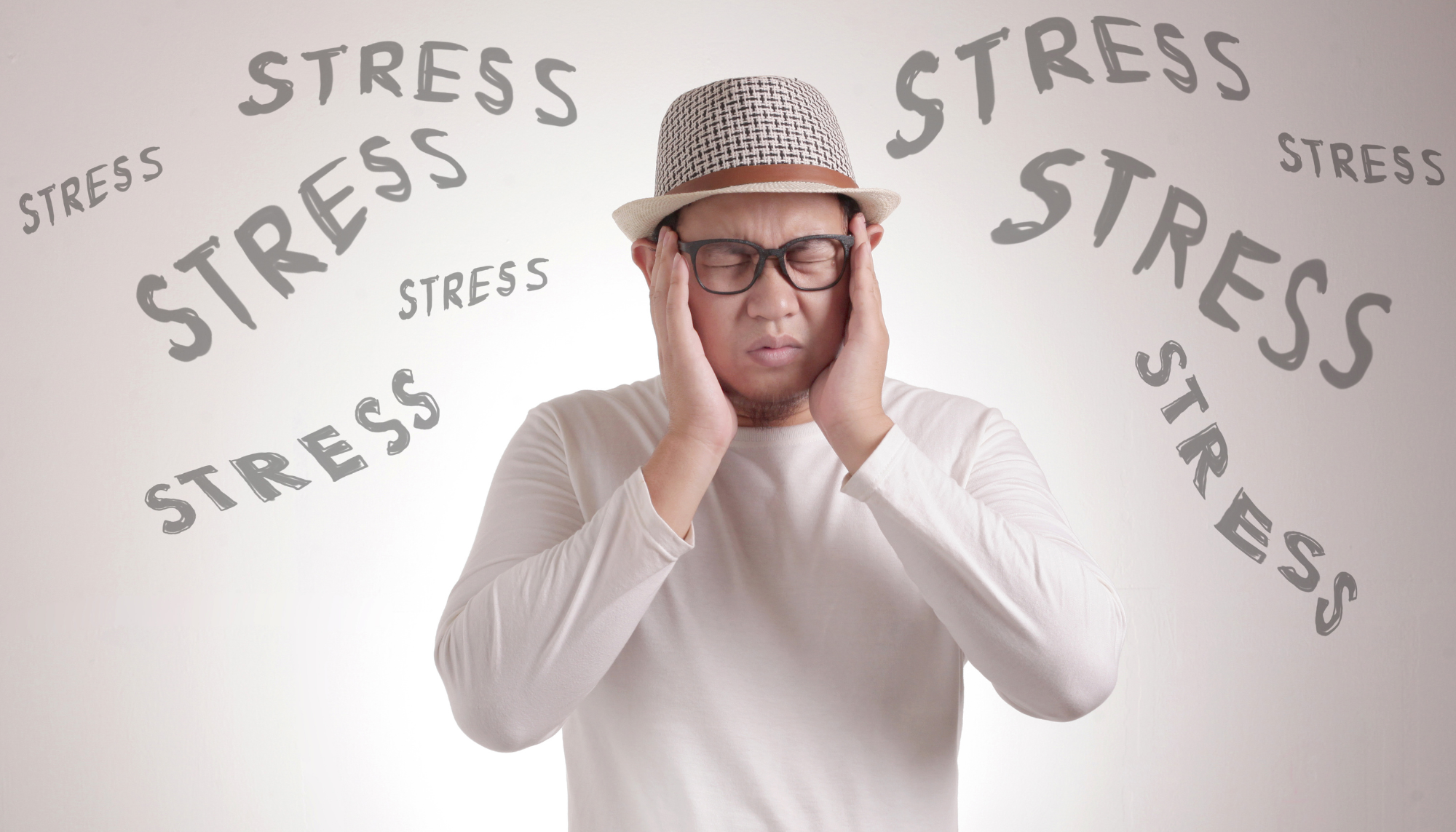
Have you ever found yourself thinking, "I don't understand what's wrong with me. The things that normally help aren't working anymore."?
Maybe your usual workout routine no longer relieves stress. Perhaps journaling feels pointless, your favorite hobbies feel exhausting, or the self-care strategies that once helped you feel grounded barely make a difference. If you've experienced this, you're not alone.
Many people assume that when coping skills stop working, it means they're doing something wrong. In reality, it often means they're facing a level of stress that exceeds what their current coping strategies were designed to handle.
At Sharp Wellness, we frequently see clients throughout Birmingham and Vestavia Hills who become frustrated when their usual tools stop providing relief during particularly stressful seasons. The good news is that this doesn't mean you've failed. It may simply mean your nervous system needs a different kind of support.
What Are Coping Skills?
Coping skills are the thoughts, behaviors, and activities we use to manage stress, emotions, and difficult situations.
Healthy coping skills might include:
Exercise
Journaling
Deep breathing
Spending time with friends
Therapy
Prayer or spirituality
Time outdoors
Creative activities
Mindfulness practices
These strategies can be incredibly effective. However, coping skills are not meant to eliminate stress entirely. Their purpose is to help us navigate challenges more effectively.
When stress levels increase significantly, even healthy coping skills can begin to feel less effective.
Why High-Stress Seasons Are Different
Stress is not always a single event. Often, it is the accumulation of multiple pressures happening at the same time.
You may be managing:
Work demands
Family responsibilities
Financial concerns
Relationship challenges
Health issues
Caregiving responsibilities
Major life transitions
Each individual stressor may seem manageable on its own. However, when several occur simultaneously, your emotional and physical resources can become depleted.
This is when many people begin wondering why their coping strategies are no longer helping.
Your Nervous System May Be Overloaded
One reason coping skills feel less effective during stressful seasons is that your nervous system is working overtime. When the brain perceives ongoing stress, it activates survival responses designed to keep you safe.
You may notice symptoms such as:
Increased anxiety
Difficulty concentrating
Irritability
Sleep disturbances
Emotional overwhelm
Fatigue
Physical tension
Difficulty relaxing
In these moments, your brain is focused on getting through the day rather than processing emotions or recovering from stress. A thirty-minute walk that typically helps you decompress may not fully counterbalance weeks or months of chronic stress.
The Problem Isn't the Coping Skill
Many people abandon healthy habits when they stop producing immediate results. This is understandable, but often the problem isn't the coping skill itself.
Imagine using an umbrella during a light rainstorm. It works well because the challenge matches the tool. Now imagine standing in a hurricane with the same umbrella. The umbrella hasn't failed. The circumstances have changed.
Similarly, your coping skills may still be helping more than you realize. They simply may not be enough on their own to address the level of stress you're currently experiencing.
High-Functioning Doesn't Mean You're Fine
One of the reasons people miss the signs of emotional overload is because they continue functioning.
They go to work. They care for their families. They show up for obligations. They continue checking things off their to-do list.
From the outside, everything appears normal. Internally, however, they may feel exhausted, disconnected, anxious, or emotionally drained. This type of high-functioning stress is incredibly common among adults and often precedes emotional burnout.
The Rise of "Productive Coping"
Social media has created a culture where many forms of self-care are treated like another task to complete. People track every workout, optimize every morning routine, monitor every habit, and pressure themselves to perform wellness perfectly.
While healthy habits are beneficial, coping skills can become stressful when they are approached as another item on an already overwhelming checklist.
Sometimes what people need most during high-stress seasons is not more productivity. Sometimes they need rest, flexibility, support, and self-compassion.
Signs Your Stress May Require Additional Support
It may be time to seek additional support if you notice:
Persistent anxiety
Difficulty managing emotions
Chronic exhaustion
Feeling detached from others
Increased irritability
Sleep problems
Loss of motivation
Difficulty completing daily responsibilities
Feeling overwhelmed despite using coping skills
These signs do not mean you are weak. They may simply indicate that your stress level has exceeded what you can comfortably manage alone.
How Therapy Helps During High-Stress Seasons
Therapy can provide support when your usual strategies no longer feel sufficient. Rather than focusing solely on symptom management, therapy helps identify the underlying factors contributing to emotional distress.
You may discover that your stress is connected to:
Unclear boundaries
Perfectionism
Caregiver fatigue
Chronic people-pleasing
Unprocessed emotions
Relationship difficulties
Unrealistic expectations of yourself
Therapy can also help you develop new coping strategies that fit your current circumstances rather than relying solely on what worked in the past.
You Don't Need to Wait Until You're Burned Out
Many people seek help only after reaching a breaking point. The reality is that support is often most effective before burnout occurs.
If your usual coping skills are not working the way they once did, it doesn't mean you're failing. It may simply be a sign that your stress level has changed and your needs have changed with it.
Learning to adapt, ask for support, and care for yourself differently during difficult seasons is not weakness. It is resilience.
At Sharp Wellness, our therapists help individuals navigate anxiety, chronic stress, burnout, life transitions, and emotional overwhelm. We work collaboratively with clients to build practical coping strategies and create sustainable paths toward emotional wellness. Contact us to book an appointment with one of our therapists that can help you navigate high stress situations.